Transforming supports for Kansas first responders
In moments of crisis and in the daily work of helping communities stay safe, steady, and supported, first responders are often the first line of care across Kansas. Strengthening that work requires systems that expand access to opportunity, tools that remove barriers, and strategies that help communities prepare for what’s ahead.
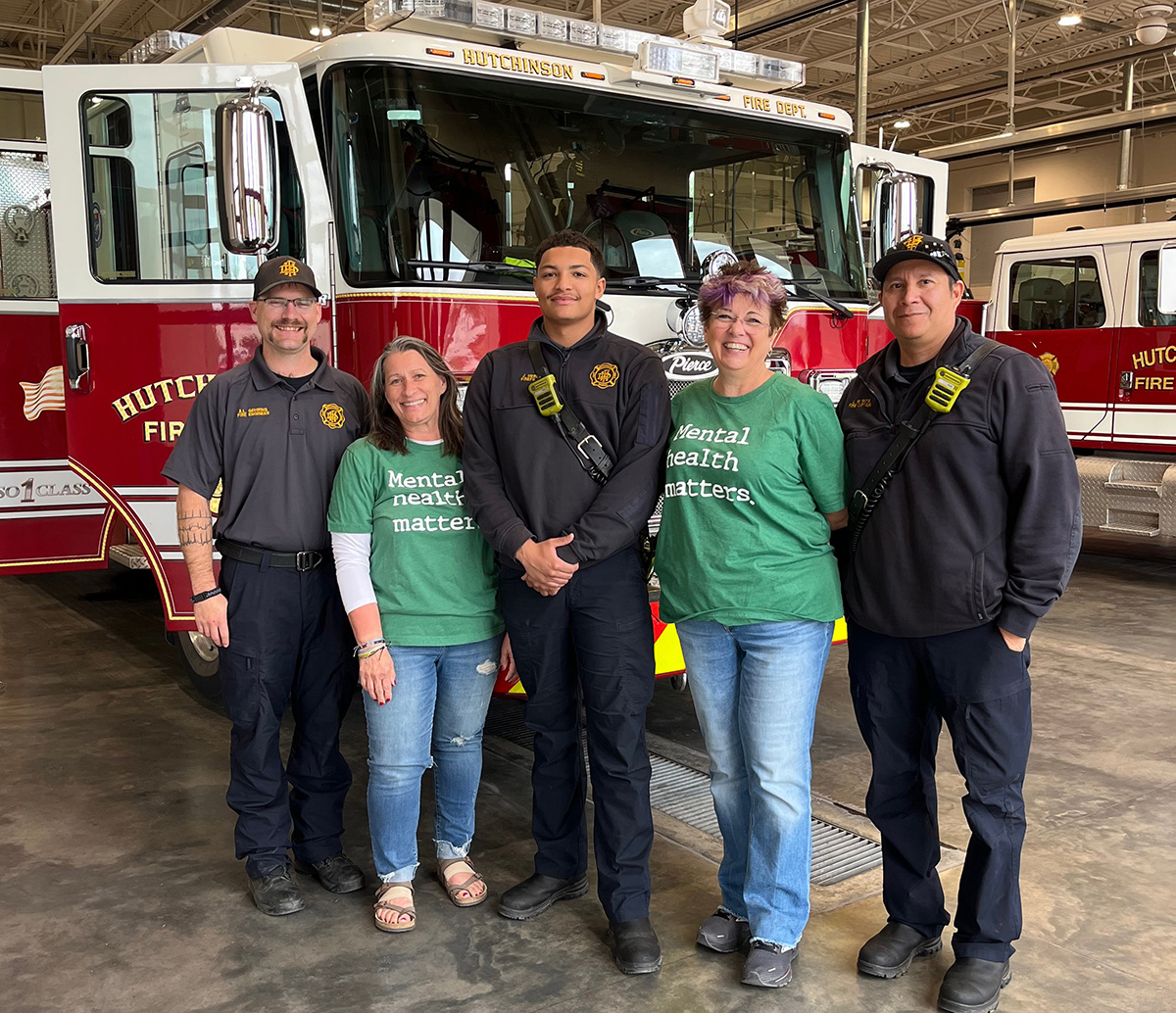
Expanding access to training
Many emergency calls involve individuals experiencing mental health or substance use challenges. For responders on the scene, recognizing those signs can make the difference between a short-term response and long-term well-being for the individual in crisis and the first responder.
Through expanded access to mental health training, hundreds of first responders are gaining practical tools to better identify and address signs of mental health and substance abuse challenges in others while also building skills to manage their own well-being and resilience.
“This has been very beneficial for us to be able to see those signs, to be able to help, and to know that you’re not alone,” said a Hutchinson Fire Department training captain. “You’re not alone in this and we’re here to help you.”
For some agencies, the trainings have been woven into the onboarding of new responders. This shift reflects a broader commitment to systems with access to support, knowledge, and care built in.
Reducing barriers to certification
For years, fire and rescue training certification relied on paper-based testing that slowed results, added costs, and created access challenges for trainees with accessibility needs. Delays in certification meant delays in getting qualified firefighters and first responders into the communities that need them.

Kansas has reduced those barriers and reduced costs by modernizing certification through accessible, computer-based testing. What once took weeks can now happen in a fraction of the time, helping departments fill roles faster.
“The sooner we can turn around our exam results and get the certifications in the students’ hands, the quicker they can get hired and start working to protect our communities,” said Kansas Fire and Rescue Training Institute Director Jenn Johnson.
Systemic change
Together, these efforts tell a larger story about how organizations like the Achievement & Assessment Institute at the University of Kansas are helping Kansas communities.
- Expanding access to mental health training helps responders get the tools they need to navigate complex situations and better serve their communities.
- Modernizing certification ensures aspiring responders can move quickly and equitably into critical roles that keep communities safe.
Behind both efforts is the understanding that holistic, upstream solutions have positive downstream impacts on communities. Creating conditions for change means looking at systems as a whole and how data, technology, and strategic partnerships help support the people who show up in moments of crisis and strengthen the communities that rely on them.