KU McNair Scholars present original research at summer symposium
LAWRENCE — Sixteen undergraduate students from the University of Kansas shared their original research at the McNair Scholars Summer Research Symposium. The event marked the culmination of months of dedicated scholarly work and mentorship. Hosted by the KU TRIO McNair Scholars Program, the symposium highlights student-driven inquiry and offers a preview of the next generation of researchers.
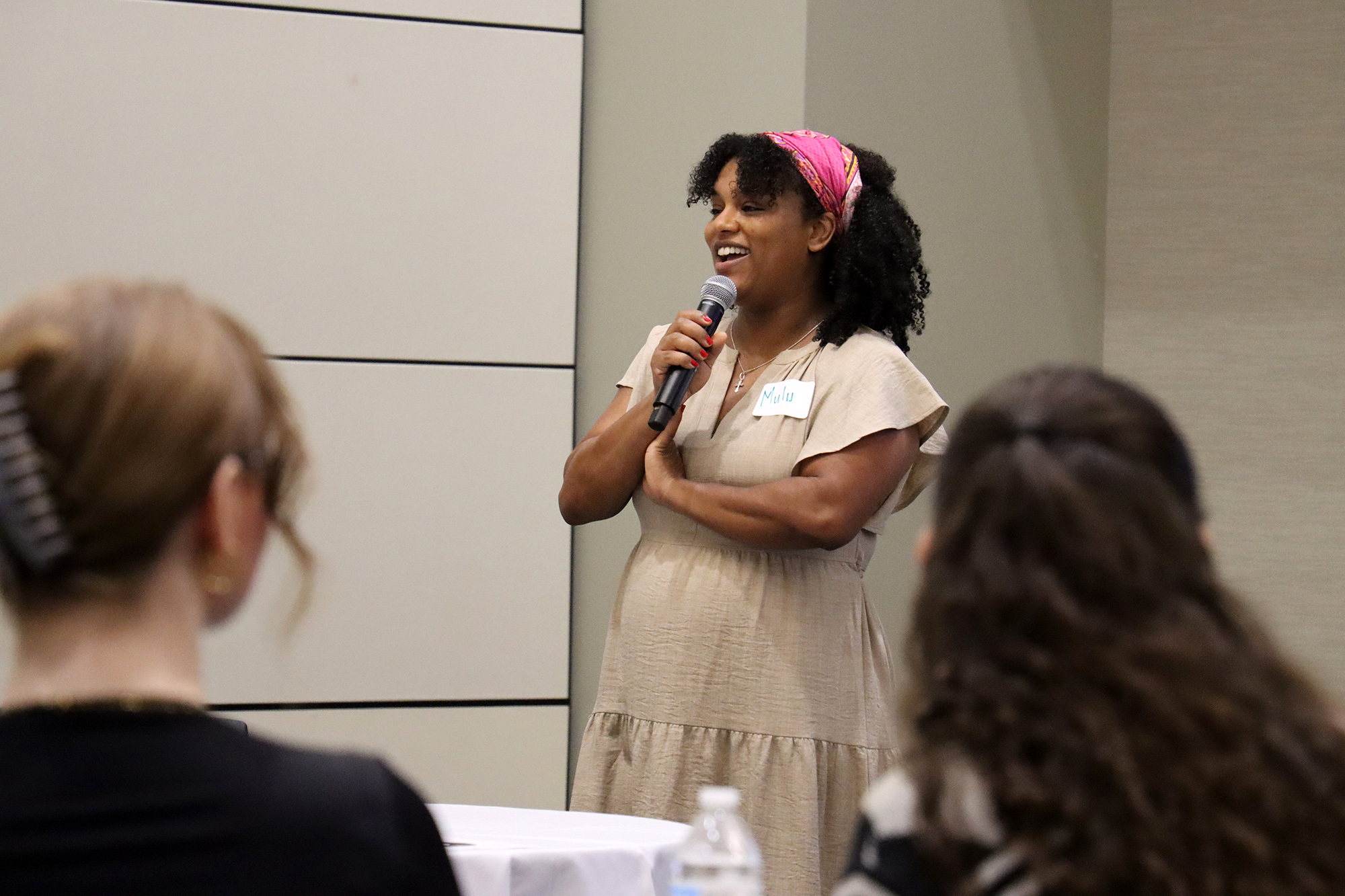
“This symposium is more than a presentation — it’s a celebration of research, development of researcher identity and joy of scientific discovery,” said Mulubrhan Lemma, director of the TRIO McNair Scholars Program. “Our students start by learning how to ask meaningful questions, and by the time they present, they’re contributing insights to their fields. It’s a powerful transformation.”
That transformation often begins with uncertainty and grows through experience. Gilbert Barranco, a civil engineering student from Topeka, did not consider research until a mentor encouraged him to apply to McNair. His project compared roundabouts in Lawrence and rural Topeka to examine how driver behavior differs across settings.
“It’s pushed me in ways I didn’t expect,” Barranco said. “I’ve learned a lot, and I’m excited to keep going.”
The Center for Educational Opportunity Programs (CEOP), a center within the Achievement & Assessment Institute (AAI) at KU, leads the TRIO McNair Scholars Program. The program prepares undergraduates for graduate study through research, mentorship and academic development.
A key milestone in the program is the McNair Scholars Summer Research Symposium. Students begin developing proposals in a spring seminar and spend the summer transforming their ideas into full research projects with support from dedicated faculty mentors. This year’s cohort represented fields ranging from public policy and linguistics to microbiology and transportation systems, with each project reflecting students’ intellectual curiosity and personal goals.
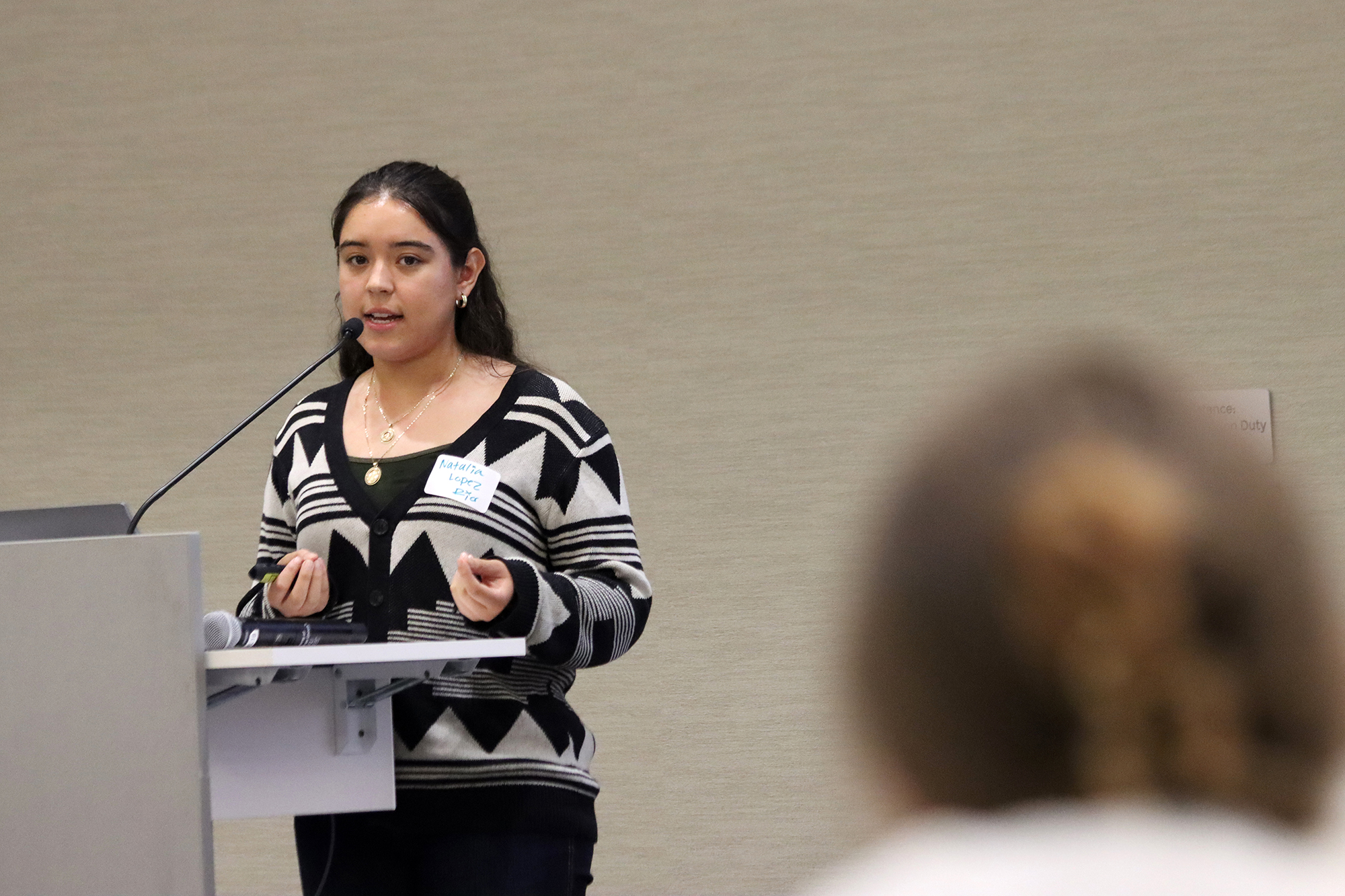
Natalia Lopez-Rios, a linguistics major from Wichita, centered her project on bilingual language development, exploring how children understand specific words in English and Spanish.
“It’s exciting because I get to interact with my community and have them participate in the research,” Lopez-Rios said. “Being part of this group has deepened my motivation and enriched my research experience.”
Mentorship is a cornerstone of the experience. Each student is paired with a faculty member in their discipline and receives wraparound support from the McNair program, ensuring they receive comprehensive guidance throughout the process. For Meghan Arias, a microbiology major from Olathe studying an antiviral host protein, mentorship was crucial in navigating academic research.
“McNair strikes the perfect balance,” Arias said. “They throw you into research where you have to figure things out on your own, but they also provide the mentorship and technical support to help you succeed.”
The program’s holistic support is intentional, said Monica Martinez, assistant director of the TRIO McNair Scholars Program.
“We don’t just prepare students to do research,” Martinez said. “We prepare them to thrive in spaces that weren’t necessarily built for them. They leave McNair not just with a project, but with a sense of agency, confidence and belonging in higher education.”
McNair also helps students reimagine what’s possible in their academic lives. For Gerardo Fornoza, a political science major and returning adult learner, that meant seeing graduate school as something within reach.
That shift began when Maggie Borders, assistant director for TRIO SES + STEM, asked if he’d ever considered grad school.
“I told her, ‘No, that’s not for someone like me,’” Fornoza said. But with her encouragement, he applied to the McNair Scholars Program and was accepted.
As a McNair Scholar, Fornoza explored how political partisanship shapes public opinion on social programs. He worked under the mentorship of Kevin Mullinix, associate professor and undergraduate director in political science, who helped refine and guide his research. Mullinix had once served as a graduate McNair mentor over a decade ago and brought that experience full circle in supporting Fornoza’s growth.
“McNair helped me turn a broad idea into a real, manageable project,” Fornoza said.
Now in its 30th year at KU, the McNair Scholars Summer Research Symposium continues to serve as a gateway for students to discover their potential — not just as scholars, but as future leaders in their fields.
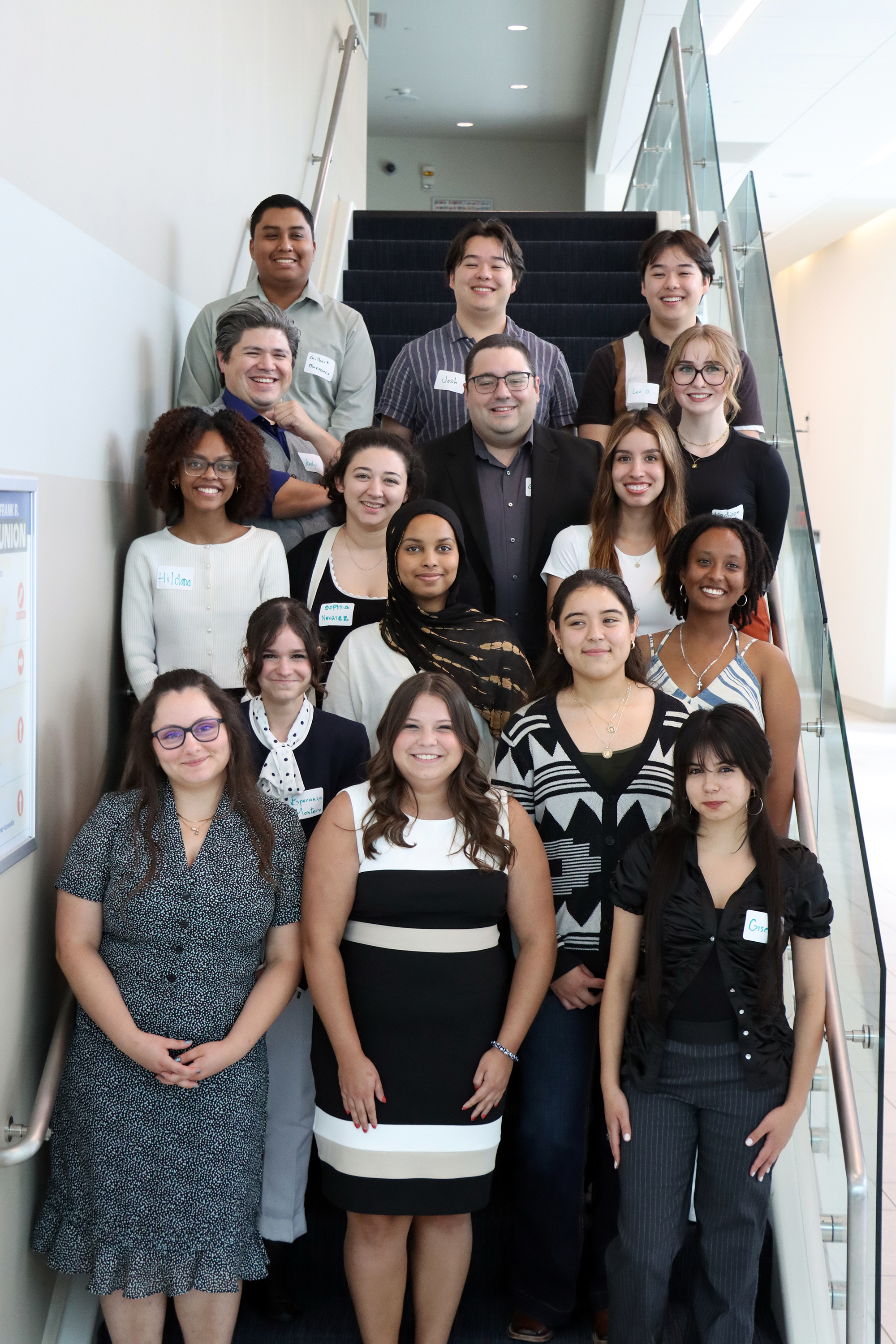
McNair Scholars Summer Research Symposium participants
- Sumaya Ahmed, Overland Park
- Meghan Arias, Olathe
- Hildana Ayana, Lenexa
- Gilbert Barranco, Topeka
- Daniella Beers, Junction City
- Gerardo Fornoza, Wichita
- Madison Knoll, Wichita
- Natalia Lopez-Rios, Wichita
- Esperança Monteiro Henson, Rio de Janeiro, Brazil
- Sophia Nevarez, Norfolk, Virginia
- Levi O’Connor, Louisburg
- Josh O’Connor, Louisburg
- Selena Reno, Kansas City, Missouri
- Giselle Sandoval Morales, Topeka
- Andrew Stumblingbear, Crookston, Minnesota
- Bethel Yigezu, Olathe.